
Revolutionizing Veterinary Teleradiology Reporting Solutions
Streamline your veterinary teleradiology reports with our intelligent agent solution.
Automate pre-reports for veterinary teleradiology efficiently.
Enhance accuracy and speed in report generation.
Transform manual processes with intelligent automation technology.




Innovative Solutions for Veterinary Teleradiology
AIA Vet, we are dedicated to revolutionizing veterinary teleradiology by developing intelligent solutions that streamline the pre-report generation process, enhancing efficiency and accuracy for veterinary professionals.


10k+
15
Trusted by Experts
Data processed
Veterinary Teleradiology Solutions
Streamline your veterinary teleradiology process with our intelligent pre-report generation solution.


Intelligent Pre-Reports
Automate and enhance the efficiency of veterinary teleradiology with our specialized intelligent agent.
Streamlined Process
Transform manual workflows into automated solutions, saving time and improving accuracy in veterinary teleradiology.
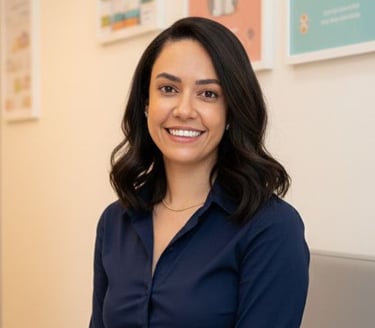
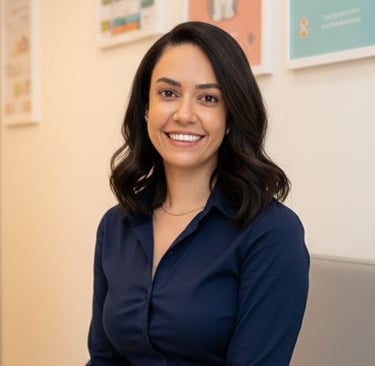
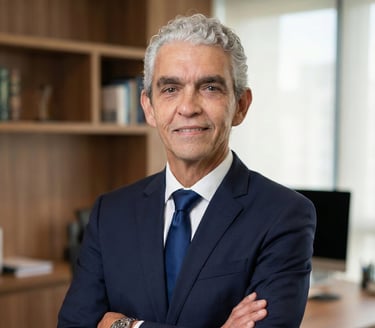
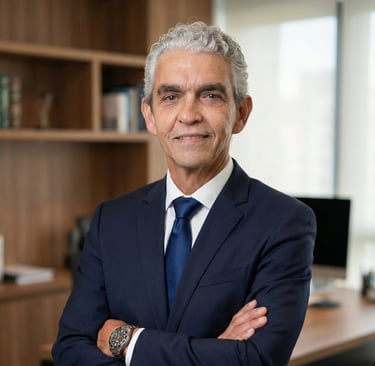
AIA Team
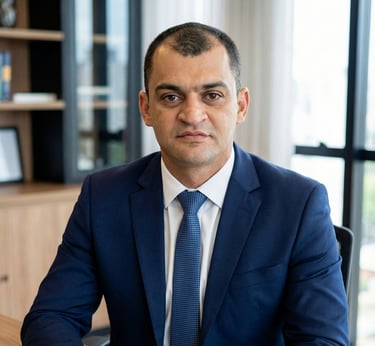
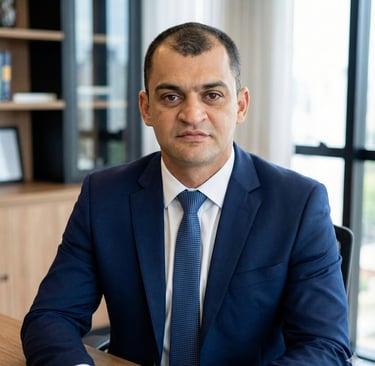
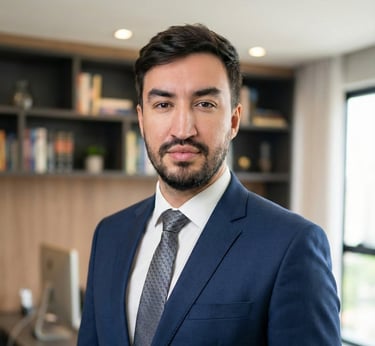
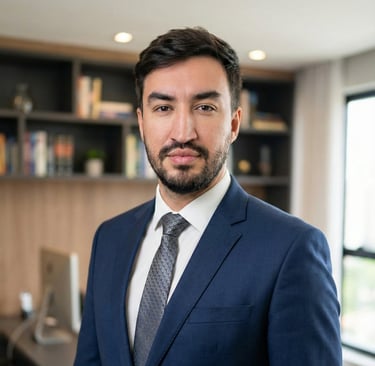
Cinthia Silva
Antônio Lacreta
Lucas Porto
André Abade
PhD in Mechatronic Systems from the University of Brasília (UnB, 2017), MSc in Computer Science from the Federal University of São Carlos (UFSCar, 2013), and specialist degrees in Web Software Development (2008) and Linux Computer Networks (2003). He is a tenured professor at the Federal Institute of Science and Technology of Mato Grosso and a member of the Pure and Applied Computing Research Group at UFMT. His expertise lies in Computer Science with emphasis on Software Engineering and Computer Vision, working mainly on Remote Sensing and RFID, as well as Machine Learning focused on object classification and visual tracking using Convolutional Neural Networks. He currently develops projects in Precision Agriculture and Livestock.
Veterinarian graduated from the Federal University of Minas Gerais (UFMG) in 2020, with a specialization through the Integrated Residency in Diagnostic Imaging of Companion Animals at UFMG. She holds an MSc in Veterinary Sciences from the Federal University of Lavras (UFLA, 2024), with a concentration in Diagnostic Imaging. She has experience in small animal and non-conventional pet radiology and ultrasonography across abdominal, point-of-care, cervical, gestational, interventional, ocular, and thoracic applications. She teaches courses and lectures and works in teleradiology and ultrasonography.
Agricultural technician trained at the state agricultural technical school “Prof. Francisco dos Santos” in São Simão, SP, and a veterinarian graduated from UNIFENAS (Alfenas, MG). He holds specialist degrees in small animal radiodiagnosis (IVI, São Paulo) and in small animal clinical practice and surgery (FEOB, São João da Boa Vista), as well as an MSc and PhD in Veterinary Surgery from UNESP (Jaboticabal). He has taught diagnostic imaging at the University of Franca (2003–2006), UNIRP (2006–2008), and the Federal Rural University of the Amazon (2008–2010), and is currently a professor of Diagnostic Imaging in the Veterinary Medicine program at the Federal University of Lavras (UFLA). A member and current president of the Brazilian College of Veterinary Radiology (CBRV), he has extensive experience in small animal medicine and surgery with an emphasis on diagnostic imaging. His research focuses on veterinary diagnostic imaging (radiology and ultrasonography) in small and large animals, wildlife, and production animals.
Lucas Porto holds a PhD in Mechatronics, Robotics, and Automation Engineering from the University of Brasília (2015–2019), with an exchange program in Computer Vision and AI at the University of Granada (2017–2018). He also earned an MSc in Computer Science from UFSCar (2012–2015) and a BSc in Computer Science from UFG (2007–2011). His applied computer vision experience includes working as a Computer Vision Research Engineer at Olho do Dono S/A, focusing on object detection, instance segmentation, and tracking, and later leading AI and computer science initiatives at Rúmina S.A., where he oversaw deep-learning solutions for real-world problems in the dairy industry.